If your sump pump keeps running even when the weather is dry, you might wonder where the water is coming from. For homeowners in Medina, Ohio, and throughout Northeast Ohio, a sump pump can run without recent rainfall for several reasons, including groundwater entering the sump pit, seasonal changes in the water table, drainage issues or a malfunctioning float switch.
Occasional operation during dry weather isn’t necessarily a problem. However, if your sump pump runs constantly, turns on every few minutes or seems to run more often than usual, it’s worth investigating. Frequent or continuous operation can put extra strain on the pump and may indicate an issue that needs attention.
Here’s what could be causing your sump pump to run when it hasn’t rained and how to tell when it’s time to call a plumber.
1. Groundwater Is Still Entering Your Sump Pit
One of the most common explanations for a sump pump running during dry weather is groundwater.
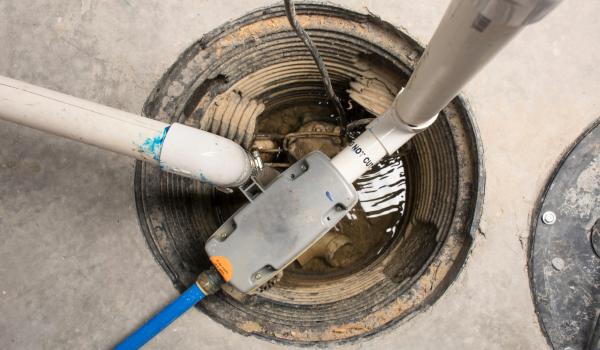
Your sump pump is designed to collect excess groundwater that gathers beneath or around your home’s foundation and move it away from the house. Even when it hasn’t rained recently, water may still be moving through the soil and entering the sump pit.
This is particularly relevant in Northeast Ohio, where soil conditions, changing weather and periods of heavy precipitation can affect how much water collects around a home’s foundation.
If the ground became saturated after recent rainfall, it may take several days or longer for groundwater levels to return to normal. During that time, your sump pump may continue operating even though the skies are clear.
What to look for: If your pump runs periodically, removes water from the pit, and then shuts off normally, it may simply be doing its job. If it runs almost continuously or the pit refills unusually quickly, a plumber can help determine whether excessive groundwater or another issue is contributing to the problem.
2. Seasonal Changes in the Water Table
The water table is the level below the ground where soil becomes saturated with water. Its depth can change throughout the year depending on precipitation, soil conditions and other environmental factors.
In Medina County and surrounding Northeast Ohio communities, a stretch of rainy weather can raise groundwater levels. Even after the rain stops, groundwater may continue moving toward your foundation and collecting in the sump pit.
Seasonal changes can also affect how much work your sump pump needs to do. A pump that usually runs only occasionally may operate more frequently when groundwater levels are elevated.
This is one reason a sump pump can activate during a dry spell. The absence of rain today doesn’t necessarily mean the ground around your foundation is dry.
What to look for: Pay attention to whether your sump pump runs more often after a particularly wet period. If the increased activity continues, becomes constant or seems unusual for your home, consider having the system inspected.
3. Your Sump Pump’s Float Switch Is Stuck
Your sump pump uses a float switch to detect rising water levels. When the water reaches a certain point, the switch activates the pump. Once the water drops, the switch should turn the pump off.
If the float switch becomes stuck, tangled or damaged, it may not operate correctly. The pump could continue running even when the water level is low, or it may turn on and off more frequently than it should.
A faulty float switch can cause unnecessary wear on the pump and may eventually contribute to premature failure.
What to look for: If your sump pump keeps running when the pit appears nearly empty, or it switches on and off repeatedly without an obvious change in water level, the float switch may need attention.
Avoid reaching into the sump pit or handling electrical components while the pump is powered. A plumber can inspect the switch and determine whether it needs adjustment or replacement.
4. The Discharge Line Is Blocked or Water Is Flowing Back Into the Pit
After your sump pump removes water from the pit, that water travels through a discharge line away from your home’s foundation.
If the discharge line becomes blocked, the pump may struggle to remove water properly. Water may also flow back toward the pit if the discharge system or check valve isn’t working correctly.
As a result, the pump may repeatedly run without effectively lowering the water level.
As temperatures drop in Northeast Ohio, a discharge line can also become vulnerable to freezing if water remains inside it. A frozen line can prevent water from draining away and create additional strain on the pump.
What to look for: Watch for repeated pump cycles, water that doesn’t seem to drain away, or signs that the discharge outlet is obstructed. If you suspect a blockage or frozen line, have the system evaluated rather than continuing to run the pump.
5. Your Home’s Drainage Conditions Have Changed
Sometimes, a sump pump runs more often because water is reaching your foundation differently than it used to.
For example, a downspout that directs water toward the house, a clogged exterior drain, or grading that allows water to collect near the foundation can increase the amount of water entering the surrounding soil.
Even if it hasn’t rained recently, water left over from earlier precipitation may still be moving toward the foundation. Changes to your landscaping or drainage system can also affect where that water goes.
If your sump pump has suddenly started running more frequently, it’s worth checking whether anything around your property has changed.
What to look for: Check that downspouts direct water away from your foundation and look for obvious drainage problems around the house. If the sump pump continues to run excessively, a professional can help determine whether the cause is related to the pump, plumbing or exterior drainage.
When Should You Worry About a Sump Pump Running Too Often?
A sump pump may run occasionally during dry weather without indicating a problem. The more important question is whether its operating pattern has changed or the pump is struggling to keep up.
Here are some signs that deserve attention:
- Your sump pump runs constantly: The pump may be dealing with ongoing water inflow, a faulty switch or a discharge problem.
- It turns on every few minutes: Frequent cycling can indicate water returning to the pit, a switch issue or a system that isn’t operating efficiently.
- The pump runs but doesn’t seem to remove water: A blocked discharge line, pump malfunction or another issue may be preventing proper drainage.
- You hear unusual noises: Grinding, rattling or excessive vibration can indicate a mechanical problem.
- Water is collecting in your basement: If the pump can’t keep up or stops working, your basement may be at risk of water damage.
If your sump pump runs continuously, avoid assuming that it’s simply working harder than usual. A professional inspection can help identify the cause before the pump fails.
What Should You Do If Your Sump Pump Keeps Running?
If your sump pump is running when it hasn’t rained, start by paying attention to how it operates.
- Listen to the pump. Note whether it runs briefly and shuts off normally or continues running without stopping.
- Observe the water level. If you can safely view the sump pit without touching the equipment, see whether the water level drops when the pump runs.
- Check the discharge outlet from a safe location. Look for obvious obstructions or signs that water isn’t draining away. As colder weather approaches, be alert for possible freezing.
- Look for drainage issues around your home. Make sure downspouts direct water away from the foundation and note any areas where water tends to collect.
- Schedule professional service if the problem persists. A plumber can inspect the pump, float switch, discharge line and other components to identify the cause.
If you notice standing water, a rapidly rising water level or signs of flooding, seek help promptly. Never step into standing water near electrical equipment.
Keep Your Sump Pump Working Properly With APPC Plumbing
APPC Plumbing provides sump pump installation, replacement, maintenance and battery backup systems for homeowners in Medina and throughout Northeast Ohio. Whether your pump is cycling too frequently or running continuously, our team can help evaluate the system and determine the next steps.
If your sump pump isn’t operating as it should, contact us to schedule service. Addressing the problem early can help you prepare your home’s plumbing for the colder months ahead.
Recent Posts