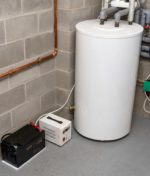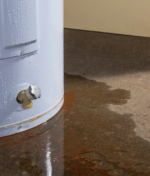
In Ohio, filing a permit for a hot water tank isn’t just a bureaucratic hurdle; it’s a legal requirement designed to prevent your basement from turning into a disaster zone. While it might seem like a simple “swap,” water heaters involve high pressure, flammable gas (or high-voltage electricity), and toxic exhaust.
Here is why that permit is essential for your home and your wallet:
1. Life Safety and Fire Prevention
A water heater is essentially a pressurized vessel. If installed incorrectly, it can become dangerous in several ways:
- Carbon Monoxide: Improper venting of gas heaters can leak odorless, deadly carbon monoxide into your living space.
- Explosion Risk: If the Temperature and Pressure (T&P) relief valve is missing or installed incorrectly, the tank can literally explode if the thermostat fails.
- Fire Hazards: Permits ensure proper “clearance to combustibles.” If a gas heater is too close to a wooden wall or stored items, it’s a major fire risk.
2. Insurance Protection
This is where many homeowners get caught. If your unpermitted water heater leaks it can cause thousands in water damage—or worse, causes a fire—your insurance company may deny the claim. They often have clauses stating they won’t cover damage caused by “unprofessional” or “unpermitted” work that violates local building codes.
3. Protecting Your Home’s Resale Value
When you sell your home in Ohio, you are typically required to disclose any major renovations or mechanical replacements.
- Home Inspectors: A sharp home inspector will check for a permit sticker or look for code-specific items like an expansion tank (required in many Ohio municipalities).
- Title/Closing Issues: If unpermitted work is discovered during the sale process, you may have to pay “double” permit fees or hire a contractor to bring it up to current code before the sale can close.
4. Verification of Contractor Work
If you hire a plumber, the permit process forces a third-party expert (the city or county inspector) to look over the plumber’s shoulder. This ensures the contractor didn’t cut corners on:
- The Expansion Tank: Required in “closed” plumbing systems to prevent pressure spikes.
- The Sediment Trap: A small “drip leg” in the gas line that catches debris before it hits the heater’s control valve.
- Dielectric Connections: Prevents corrosion between copper and galvanized steel pipes.
Common Ohio Requirements
While codes vary slightly by county (ex., Hamilton, Summit or Cuyahoga), most follow the Ohio Plumbing Code.
You should expect the following:
| Expansion Tank | Protects your pipes from thermal expansion. |
| T&P Discharge Pipe | Must run toward the floor (not capped) so hot water doesn’t spray anyone if the valve opens. |
| Gas Shut-off | Must be easily accessible in case of a leak. |
Questions About Water Heater Permits or Installation? We’re Here to Help
If you have questions about hot water tank permits, inspections or Ohio installation requirements, our team at APPC Plumbing is here to help. We believe homeowners should feel informed and confident when it comes to protecting their home and family. If you are considering a water heater installation or replacement, visit our water heater page to learn more about your options or contact our team to schedule service with a licensed professional.
Recent Posts