Running out of hot water halfway through a shower is frustrating, especially when your water heater used to keep up with your household just fine. If your water heater is not producing enough hot water, there could be a simple explanation, or it could be a sign that your water heater needs professional attention.
For homeowners in Medina and throughout Northeast Ohio, understanding what may be causing the problem can help you determine whether your water heater needs a minor repair, maintenance, or replacement.
Here are six common reasons your water heater may not be producing enough hot water.
1. Your Water Heater Is Too Small for Your Household
One of the simplest explanations for not having enough hot water is that your water heater may not be large enough for your household’s needs. If your family has grown, you’re using more water than you did when the water heater was installed, or several people regularly shower one after another, your water heater may struggle to keep up.
A traditional tank water heater can only hold and heat a certain amount of water at a time. Once that supply is used, you’ll have to wait for the unit to heat more water.
A professional plumber can evaluate your household’s hot water usage and determine whether your current water heater is properly sized for your needs.
2. Sediment Has Built Up Inside the Tank
Over time, minerals naturally found in water can settle at the bottom of a traditional tank water heater. This is known as sediment buildup.
As sediment accumulates, it can take up space inside the tank and make it harder for the water heater to operate efficiently. It can also cause the heating system to work harder to heat the water.
Some common signs of sediment buildup include:
- Not enough hot water
- Inconsistent water temperatures
- Longer heating times
- Popping or rumbling noises from the tank
- Higher energy bills
If you suspect sediment buildup, a plumber can determine whether your water heater would benefit from maintenance or whether another problem is affecting its performance.
3. The Heating Element May Be Failing
Electric water heaters use heating elements to heat the water inside the tank. If one of these elements begins to fail, your water heater may still produce some hot water, but not enough to meet your household’s needs. You may notice that your water starts out hot but becomes lukewarm much faster than usual.
Because diagnosing and replacing water heater components involves electrical connections and water, it’s best to have a qualified plumber determine whether a heating element is the source of the problem.
4. Your Water Heater May Have an Aging or Failing Component
Water heaters contain several components that can wear out over time. Depending on the type of system you have, a problem with a thermostat, heating element, gas control component, dip tube or another part could affect the amount of hot water your home receives.
If your water heater is older and you’re experiencing multiple problems—not just a shortage of hot water—it may be worth considering whether repair or replacement makes more sense.
Signs that your water heater may be nearing the end of its useful life can include:
- Frequent repairs
- Rust or corrosion
- Water leaking around the tank
- Strange noises
- Inconsistent water temperatures
- Not enough hot water
- A noticeable decline in performance
In some cases, repairing one component can restore your hot water. In others, replacement may be the more practical long-term option.
5. Your Water Heater Temperature May Be Set Too Low
If your water heater is producing warm rather than truly hot water, the temperature setting could be part of the problem.
However, homeowners should avoid turning the temperature up significantly on their own. Water that is too hot can create a scalding hazard, especially for children.
If you aren’t sure whether your water heater is operating at the appropriate temperature, a plumber can inspect the system and make recommendations based on your home’s needs.
6. Your Water Heater May Simply Be Reaching the End of Its Life
Even well-maintained water heaters don’t last forever. If your water heater is older and you’re suddenly dealing with insufficient hot water, it may be a sign that the system is becoming less reliable.
Rather than waiting until the unit stops working completely, it may make sense to have it evaluated. A professional can determine whether a repair could restore performance or whether replacing the water heater would be a better investment.
APPC Plumbing installs and replaces standard tank water heaters, high-efficiency models, and tankless water heaters.
How Can You Tell What Is Causing the Problem?
When your water heater is not producing enough hot water, pay attention to when and how the problem occurs.
You run out of hot water after several showers: Your water heater may be undersized or struggling to recover quickly enough.
Your water is consistently lukewarm: A heating element, thermostat, temperature setting or another component could be the problem.
Your water heater is making popping or rumbling noises: Sediment buildup may be affecting the tank.
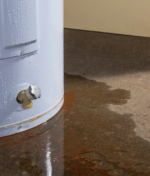
Your water heater is leaking: The source of the leak should be evaluated promptly. A leaking tank may need to be replaced.
Your water heater is older and experiencing several problems: Replacement may be more cost-effective than continuing to repair an aging unit.
If you’re unsure what is causing the problem, a professional plumber can inspect the system and help determine the appropriate solution.
Need Help With Your Water Heater?
If your water heater is not producing enough hot water, you don’t have to figure out the problem on your own. Whether your system needs a repair, maintenance or replacement, APPC Plumbing can help homeowners in Medina and throughout Northeast Ohio find the right solution.
If you’re dealing with inconsistent hot water or you’re concerned that your water heater may be nearing the end of its life, contact APPC Plumbing to schedule service or request an estimate.
Recent Posts